
Frequently asked questions
Answers for preparing the service and understanding responsibilities.
On this page
Contact usNo matches. Try another word or clear the search to see all questions.
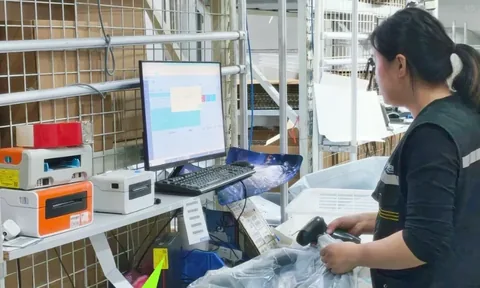
Tracking, returns and data
Connect references, events and decisions about orders or stock.
How do I connect two tracking references?
Confirm with the operator which parcel and stage each reference identifies. Keep the connection to the order and the information source.
Does delivery of a return confirm a refund?
Check parcel receiving and the seller’s decision separately. A transport event does not establish inspection or the commercial outcome.
What should I prepare when tracking stalls at customs?
Gather the reference, status wording, date and query channel. Check notifications and ask the responsible party whether information is needed.
Will a reviewed CSV work with every carrier?
Confirm the format and fields accepted by the operator. Local review prepares data; it does not validate a carrier import schema.
Are incoming goods already available to sell?
Separate expected arrival, receiving and available status in your system. Confirm platform and operating rules before promising delivery.
Does delivery of one parcel complete the whole order?
Check which products and quantities belong to that parcel and which lines remain outstanding. A transport event alone does not describe all received contents.
Does one case equal one sales unit?
Confirm the purchase unit, contents per case and unit represented by the offer. Keep a shared conversion for purchasing, inventory and fulfilment; counting sealed cases does not establish item counts.
What should I do when a kit component is missing?
Identify the component, quantity and affected kits. Confirm with the responsible person whether to wait, correct or change preparation, and keep the authorization and instruction version.
Does requesting cancellation confirm the order has stopped?
Confirm the response from the party preparing the order and the affected lines. A received request and an accepted cancellation are different states; keep the outcome before updating the buyer.
Does changing the store status stop physical preparation?
Check with the responsible party whether work stopped or changed. An administrative status does not establish warehouse activity or carrier options.
Does a received quantity in the system equal available stock?
Check the field definition and breakdown. Separate physical counts, checks and authorization for preparation; names and movements depend on the system.
What should I record when units are missing at receiving?
Connect the purchase, SKU, variant and counting unit. Keep expected, observed and outstanding quantities, checking scope and the responsible party’s response before correcting inventory or allocating goods to orders.
What should I check after authorizing a return to stock?
Confirm SKU, variant, quantity, location and resulting state. Connect the movement to its authorization and keep pending units visible; an approved instruction does not establish updated availability across every channel.
Can I choose any locker for my order?
The option must be enabled for the contracted carrier and product, destination and parcel size. Use a point ID accepted by that service and confirm the collection deadline and conditions; entering a locker address as a home address does not create a valid booking.
What happens if the buyer does not collect the parcel?
Confirm the product’s collection deadline and keep notifications and the latest status. An uncollected parcel may enter a return process under carrier terms. Agree communication, charges and destination with the seller; logistics returns do not automatically determine refunds.
Is a shop order prepared like B2B replenishment?
Share units per item and destination. Buyer orders may ship as individual parcels; shop replenishment may require cartons, pallets, appointments and unloading. Jeton defines the plan around goods and receiving requirements, keeping quantities and references separate.
Are all referenced carrier services available through Jeton?
The guide uses public products to help prepare requirements. Your Jeton proposal confirms the carrier, product, route and options to be contracted. A guide reference does not confirm a commercial agreement, coverage or price.

Shipments and quotes
Check the transport stage and the scope of the quote.
Does CTT Express 24h mean China–Spain in 24 hours?
No. Product timing refers to the carrier stage under its acceptance and conditions. The international journey includes additional milestones.
Are fixed prices or transit times published?
The quote is based on your route, final measurements, product, zone and scope. Each estimate should identify its start and end and itemise included charges.
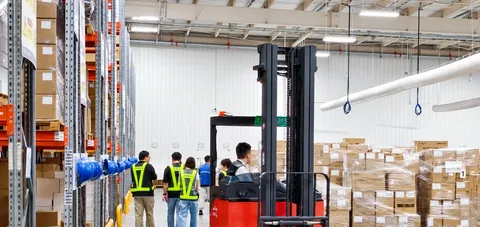
Receiving and warehouse
Confirm the address and arrival reference before dispatch.
Where should suppliers send purchases?
Request the address and arrival reference from Jeton before dispatch. Do not use the administrative address as a warehouse.

Merchants and integration
Prepare the commercial agreement before labels or integration.
Can I activate labels or an API here?
An enquiry starts the commercial review. Accounts, credentials and integration tests are arranged under contract; this website does not create carrier labels.
Company and CTT Express
Identify the website operator and consult the carrier sources.
Who operates this website?
Operated by JETON EXPRESS SERVICE LIMITED. A Jeton Express service website; CTT Express and DHL retain their own brands and operations.
When was the CTT Group–DHL alliance completed?
On 12 May 2026, according to CTT Group’s announcement and DHL’s half-year report. See the sourced analysis and shareholding structure.